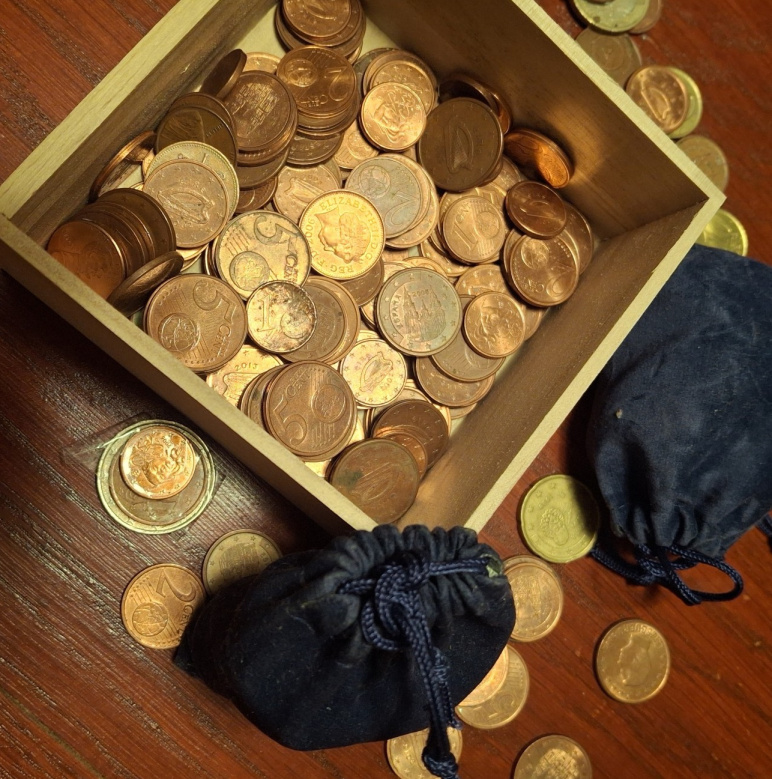
Coins of the World exhibition in Budapest 2026
Circulation coins are small everyday treasures that quietly tell the stories of their countries. Passed from hand to hand, they carry history, culture, and identity in a form so ordinary that it’s easy to forget how remarkable they truly are. Each design - whether a national emblem, a notable figure, or a beloved local symbol - reflects what a country cherishes most.
These coins travel far and wide, connecting people through the shared experience of daily life. A simple coin can reveal a nation’s artistic style, commemorate important events, or celebrate natural beauty and heritage.
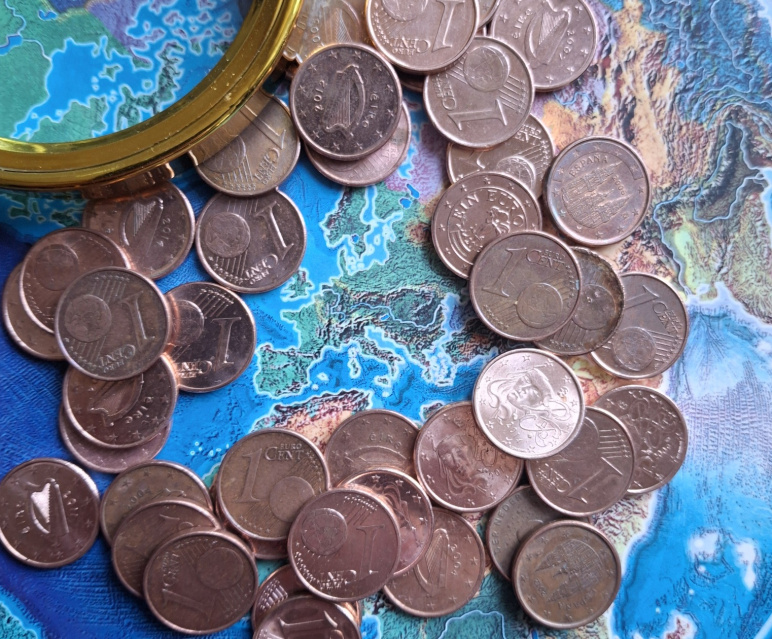
Connecting people
Coins remind us that even the smallest objects can hold meaning. They are quiet, enduring pieces of a country’s identity - artworks made for everyone, carrying stories that grow richer with every pocket, purse, and palm they pass through.
Currencies around the world carry unique names that reflect centuries of history, trade, and cultural tradition. From ancient roots to modern symbolism, these names help give each country’s money a distinctive identity. Many nations also use special terms for their coins, adding another layer of character to everyday currency.
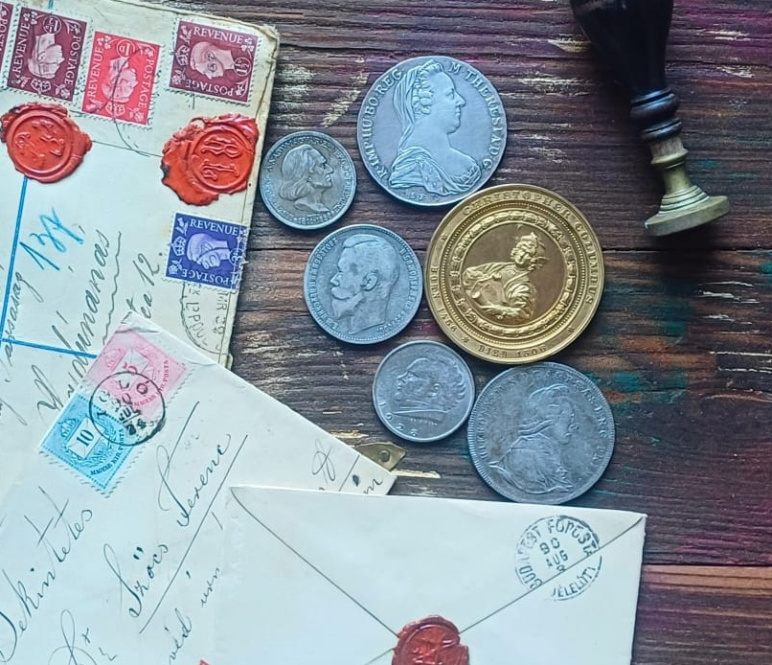
Many coins feature...
portraits of historical figures, kings, queens, statesmen, poets, and cultural icons appear on many coins, honoring the individuals who shaped a nation’s character. To hold such a coin is to hold a small tribute to the past - a reminder of the leaders, creators, and thinkers who left their mark on history.
Across the globe, the images on coins tells a story of grand heritage carefully preserved, of identity proudly displayed, and of history made accessible to everyone. They are small, enduring reminders that culture is not only found in museums or monuments but also in the pockets and hands of ordinary people, carried quietly through daily life.
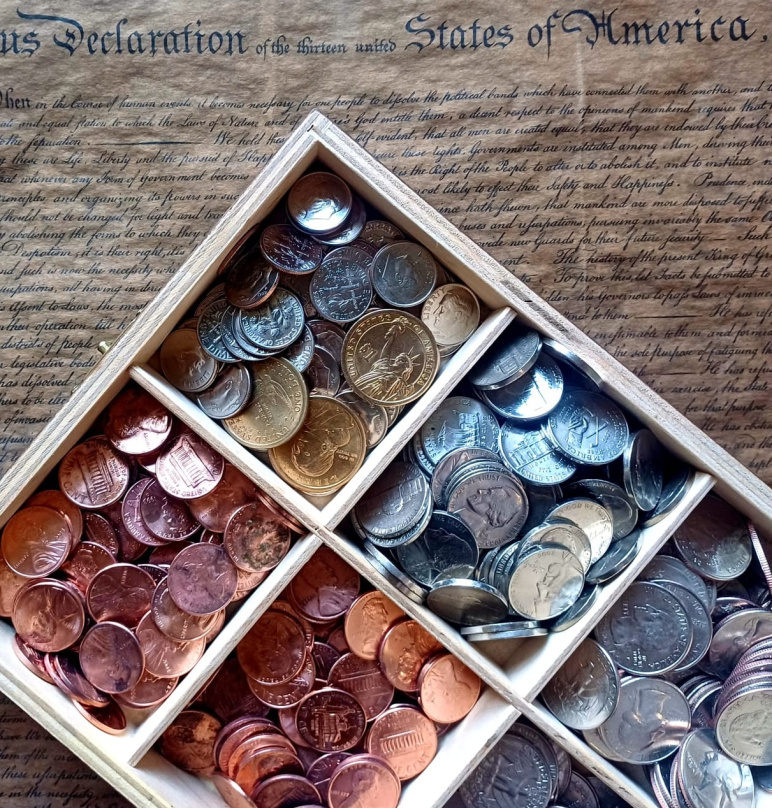
Names of currencies
The “dollar,” used in countries like the United States, Canada, Australia, and many more, traces its name back to the thaler, a large silver coin once circulated in central Europe. In the U.S., coins have nicknames: the penny (1 cent), nickel (5 cents), dime (10 cents), and quarter (25 cents).
In Asia, currency names often evoke deep cultural meaning. Japan’s yen, China’s yuan, and Korea’s won all share a root meaning “round object,” referring to the shape of early coins. India’s rupee and Pakistan’s rupiya stem from a word meaning “wrought silver.”
Other currencies have wonderfully distinctive names: the peso (“weight”) of many Latin American countries, the rand of South Africa (named after the Witwatersrand ridge rich in gold), the krone (“crown”) of Scandinavia, and the franc of several African nations, a legacy of earlier systems.
Pieces of art
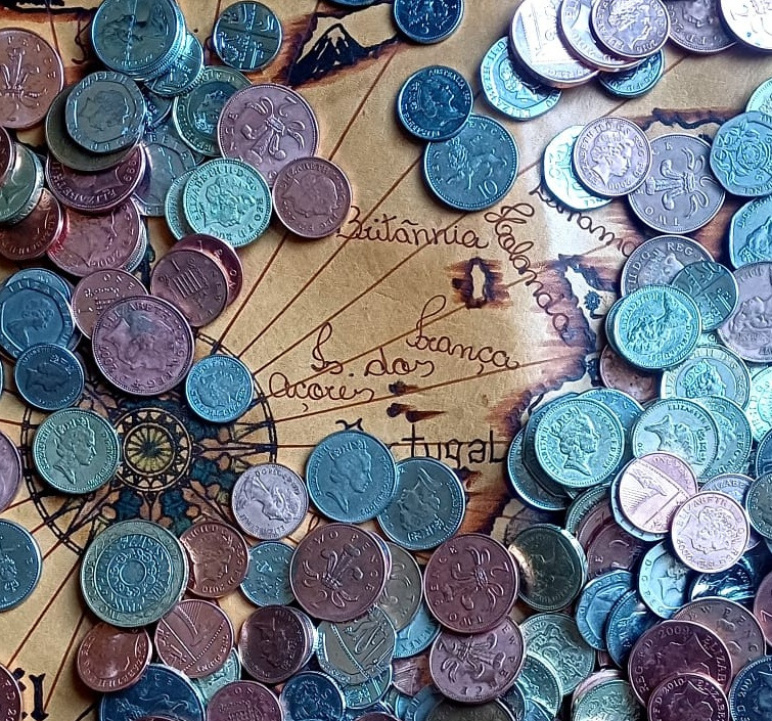
Circulation coins are far more than pieces of metal; they are miniature canvases that carry the cultural soul of a nation. Every curve, symbol, and figure engraved on a coin is chosen with care, reflecting stories that stretch across centuries. Through their designs, coins become a shared heritage - silent storytellers that pass through countless hands while preserving the identity of the place they come from.
Many coins feature national emblems, coats of arms, or motifs tied deeply to tradition, e.g. eagles, lions, shields, olive branches, or mythical creatures symbolising values - strength, peace, resilience, or unity - allowing each coin to speak a language understood without words.
Majority of the circulating coins presented in our collection has been assembled through personal efforts. We wish to express our sincere gratitude to our friends, to the Hungarian trade attachés around the world, and other diplomats serving at our embassies for their invaluable support and cooperation. Given the large number of contributors, we respectfully refrain from acknowledging them individually.
We are also honoured by the contributions of several diplomatic missions accredited in Budapest, whose generous support has enriched this exhibition. To date, the following diplomatic missions in Budapest have kindly provided complete sets of circulation coins from their respective countries:
Colombia, Turkmenistan, Croatia, Romania …
In several countries, circulating coins have gradually lost their practical value and, as a result, have largely disappeared from everyday use over recent decades. Nevertheless, we would be grateful to include such coins in the exhibition, as they represent an important part of each country’s monetary and social history.
2026 February
__________________________________________________________________________________________________________________________________________________________
The Coins of the World exhibition celebrates humanity’s shared history while highlighting the beauty of our differences—making it a rich, worthwhile experience for anyone who attends.
The Coins of the World 2026 exhibition will take place in Budapest in 2026. The week-long event will showcase the circulation coins of countries from around the globe.
More to come...
About the exhibition
Coins of the World exhibition is far more than a display of currency; it is a journey across nations, eras, and cultures through some of humanity’s smallest yet most symbolic artifacts. Such an exhibition offers remarkable value on multiple levels.
- A window into global culture
- Living history
- Educational inspiration for all ages
- Appreciation for craftsmanship and design
- Building connections and community
- Preserving and celebrating heritage